
5 June 2026 • By Tom Street, Solicitor
Disclaimer: This article contains Tom Street’s personal opinion and commentary on employment policy. It is not legal advice for your specific circumstances. For advice on your individual situation, please contact us directly. Tom Street is a solicitor regulated by the Solicitors Regulation Authority (SRA No. 566718).
Key Facts
- On 2 June 2026 the government opened a consultation on reforming zero-hours and similar contracts, delivering a commitment from the Employment Rights Act 2025.
- Employers would have to offer guaranteed hours that reflect the hours a worker regularly works over a reference period.
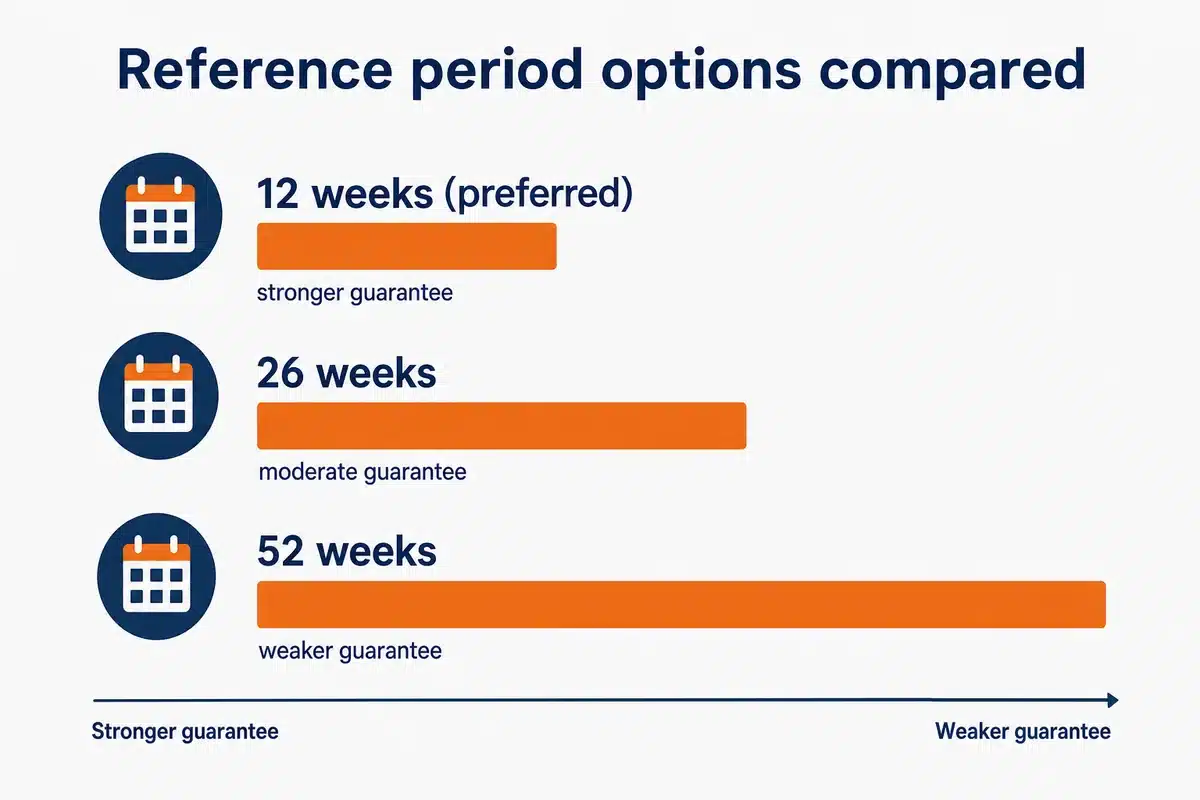
- The government’s preferred reference period is 12 weeks, with 26 and 52 weeks also on the table.
- Workers would gain a right to reasonable notice of shifts and payment when shifts are cancelled, moved or cut short at short notice.
- Agency workers are within scope. Workers who prefer the flexibility could choose to stay on zero hours.
- The consultation closes on 25 August 2026, with the new rights expected to take effect in 2027.
For years the standard defence of the zero-hours contract has been a single word: flexibility. It suits some people, and nobody sensible wants to take that away from them. The trouble is that the flexibility has almost always run one way. The employer keeps every option open, and the worker carries every risk: the cancelled shift, the empty rota, the week with no income and no explanation.
The consultation the government opened on 2 June 2026 is the moment that imbalance finally gets addressed in law. It is the practical detail behind one of the headline promises in the Employment Rights Act 2025, and for anyone working on a zero-hours or low-hours contract, it matters a great deal. The shape of the final rules is still up for grabs, and that is exactly why it is worth understanding now.
What the government is proposing
Three changes sit at the heart of the consultation.
The first is a right to guaranteed hours. Where a worker regularly works a certain number of hours, the employer would have to offer them a contract that guarantees those hours going forward. This is not a polite right to ask. The obligation sits with the employer to make the offer, based on what the worker has actually been doing.
The second is reasonable notice of shifts. Employers would have to give workers a fair amount of warning before a shift, rather than dropping a rota on them the night before or pulling a shift on the day.
The third is payment for short-notice changes. If a shift is cancelled, moved or cut short at short notice, the worker would be entitled to compensation for the disruption. That is the part that bites, because it puts a price on treating someone’s time as disposable.
Tom Street’s View
Putting the duty on the employer to offer hours is the right call.
A right to request is worth very little when you are worried about next week’s shifts. People don’t ask, because they fear the rota will quietly dry up if they do. Making the offer the employer’s job, triggered automatically by the hours someone has worked, takes that fear out of the equation. That is the single most important design decision in these proposals, and the government has got it right.
The reference period is the whole ballgame
Here is where I’d urge people to pay close attention. The guaranteed hours are worked out over a reference period, and the consultation is asking how long that period should be. The government’s preferred option is 12 weeks. It is also asking about 26 weeks and 52 weeks.
This is not a dry technical point. It decides how much protection the right actually delivers. A 12-week reference period captures your recent working pattern and turns it into a guarantee fairly quickly. Stretch that to 52 weeks and a year of seasonal peaks and quiet spells gets averaged into something far lower, which is much easier for an employer to live with and far less use to the worker.
The longer the reference period, the weaker the guarantee. Businesses that rely heavily on zero-hours labour will push for the longest window they can get. That tension is the real fight inside this consultation, and it will not make many headlines.
Tom Street’s View
A 52-week reference period would hollow the right out.
If the final rule lands on a year-long averaging period, a lot of workers will get a guarantee that bears no relation to the hours they actually work week to week. Twelve weeks is the option that gives the reform real teeth. If you do nothing else with this consultation, respond on that one question.
Notice and cancellation pay: the other half of the deal
Guaranteed hours grab the attention, but the notice and cancellation rules may matter just as much in daily life. The whole point of a zero-hours arrangement, from a worker’s side, is that you cannot plan around it. You can’t commit to childcare, a second job or a college course when a shift can vanish at a moment’s notice and take your wages with it.
A right to reasonable notice, backed by a payment when an employer breaks it, changes the incentives. Suddenly a cancelled shift costs the business something, so shifts get cancelled less casually. The detail still to be settled is what counts as “reasonable” notice and how much the cancellation payment should be. Set those levels too low and the protection becomes a box-ticking exercise rather than a real deterrent.
What it means if you’re on a zero-hours contract now
Nothing changes today. This is a consultation, not a law that is in force. The proposals are expected to take effect in 2027, and the exact rights will depend on what the government decides after the consultation closes on 25 August 2026.
That said, the direction of travel is clear, and your existing rights have not gone anywhere in the meantime. Zero-hours workers are still entitled to the national minimum wage for hours worked, to paid holiday that builds up based on the hours you do, and to protection from unlawful deductions from your wages. If you are being denied any of those now, you do not need to wait for 2027 to do something about it.
It is also worth being clear about status. Many people on zero-hours contracts are legally “workers”, and some are in truth employees, whatever the contract is labelled. Your label does not always match your rights, and the gap between the two is often where a claim lives.
What You Can Do Now
Keep a record of your hours. Save your rotas, shift messages and payslips. If a guaranteed-hours right does arrive, your recent working pattern is what it will be calculated from, so a clear record of the hours you actually do is worth having.
Respond to the consultation. It runs until 25 August 2026 and the reference period question is open. Workers and unions responding, not just employers, is what shapes whether the final rule is 12 weeks or 52.
Check your current entitlements. Minimum wage, holiday pay and protection from wage deductions all apply to zero-hours workers today. If something looks wrong on your payslip, it probably is.
Get advice if you’ve been treated badly. Losing shifts after raising a concern, or being dropped from the rota for asserting a right, can amount to an unlawful detriment. That is a problem you can act on now, not in 2027.
Frequently asked questions
When will the zero-hours contract changes take effect?
The reforms are still at the consultation stage. The consultation closes on 25 August 2026, and the new rights, including guaranteed hours, reasonable notice of shifts and cancellation pay, are expected to take effect in 2027.
What is a reference period for guaranteed hours?
It is the period over which your worked hours are measured to set the hours an employer must guarantee you. The government’s preferred length is 12 weeks, with 26 and 52 weeks also being consulted on. A shorter period generally means a stronger guarantee, because it tracks your recent working pattern more closely.
Will I be forced off my zero-hours contract?
No. Qualifying workers will be able to turn down an offer of guaranteed hours and stay on a zero-hours contract if they prefer the flexibility. The aim is to give workers the choice, not to remove zero-hours contracts altogether.
Do agency workers get these new rights?
Yes. Agency workers are within the scope of the proposals, so the consultation also covers how guaranteed hours and shift protections would apply to them.
Being messed around on a zero-hours contract?
If your shifts have been cut after you raised a concern, or you’re not getting the minimum wage, holiday pay or wages you’re owed, we can tell you where you stand. Your first conversation is free and confidential.
Related Reading
- Employment Rights Act 2025: key changes explained – the wider reform this consultation sits inside.
- Unlawful deduction of wages – what to do when money is missing from your pay.
- Working overtime: know your rights – pay and hours rights that apply however your contract is labelled.
Sources

About Tom Street
Tom Street is the principal solicitor at Tom Street & Co. and acts for employees, never employers. He advises zero-hours and agency workers on insecure-work problems, from cancelled shifts and missing wages to holiday pay and employment status, and follows the Employment Rights Act 2025 reforms closely as they come into force.
SRA Number: 566718 | LinkedIn →